The next five years will be heavily influenced by a substantial increase in residential inventory. Approximately 74,100 homes are expected to be completed during 2026.
This delivery pipeline is forecast to peak sharply in 2027, with official schedules listing around 160,700 units, though realistic construction progress points toward an actual handover of about 70,500 units.
Following this surge, the rate of new completions is projected to slow down significantly through 2030.
The Dubai property market is in very good shape in 2026. After years of fast growth, the market is now entering a new and more stable phase.
If you look ahead, the Dubai property market forecast for next 5 years shows steady demand supported by population growth, new business activity, and strong buyer confidence.
Understanding this path will help you make better choices when you decide to Invest in Dubai Real Estate over the coming years.
Property Delivery Forecast: What to Expect in 2027
When clients sit down with me to discuss the Dubai property market forecast for next 5 years, I always start by looking at where we stand today.
It is easy to look at the massive post-pandemic boom where prime areas jumped 30% to 35% and worry that we are in a bubble. But if you look deeper into the numbers and real buyer behavior, a very different picture emerges for 2027 and beyond.
Dubai property market :Current Market Realities
Dubai’s luxury residential segment recently led global rankings with over 16% annual price growth, leaving cities like Monaco and London behind. Yet, what many international buyers miss is the actual value per square foot.
Prime property in Dubai still trades around $800 to $1,100 per square foot. Compared to $2,500 or $3,500 in other top global cities, Dubai remains surprisingly affordable for high-net-worth investors.
Unlike past cycles that were driven by quick flipping and heavy debt, today’s market is built on a much safer foundation. A few years ago, my client portfolio was dominated by short-term speculators.
Today, nearly 70% of the people I advise are end-users—families and business owners who actually plan to live in Dubai long-term.
This shift toward lifestyle-driven buying creates a much stronger floor for property values.
Anyone analyzing the Dubai property market forecast for next 5 years will see that this end-user demand acts as a crucial buffer against global market volatility, making the market far more resilient than in previous decades.

Drivers of Growth: Golden Visas and Population Surge
When people ask me what will keep the Dubai market strong, two factors always top the list: long-term visas and steady population growth. The Golden Visa program allows investors and skilled professionals to live in Dubai for up to 10 years without a local sponsor.
This policy has transformed Dubai from a temporary stop into a permanent home for thousands of families. At the same time, the city’s population continues to grow by roughly 5% each year.
This steady influx of new residents creates continuous demand for both rental properties and long-term family homes over the next five years.
Market Overview: Moving Toward a Balanced Market
After the rapid post-pandemic price jumps, the market is now settling into a healthier phase. We are moving away from quick speculative trading toward a more stable, mature real estate environment.
While price growth was aggressive in recent years, the Dubai property market forecast for next 5 years points toward steady, sustainable appreciation.
This transition to stability is good news for long-term investors because it reduces market volatility and protects capital value against sudden economic shifts.
Villa vs. Apartment Price Trends
Not all properties will behave the same way over the coming years. There is a clear split between low-density homes and high-rise apartments:
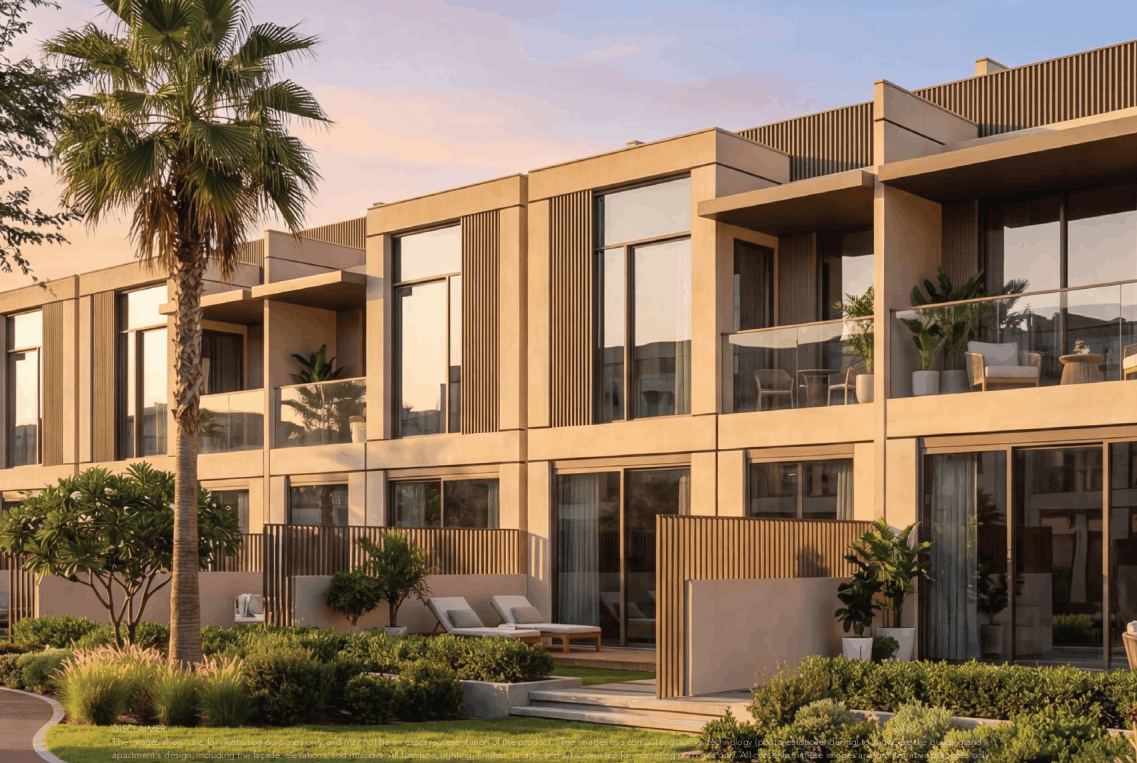
Villas and Townhouses: These properties face an ongoing supply shortage. Because land in prime areas is limited, villa communities will see stronger price protection and steady value growth.
Apartments: Most of the incoming supply in 2026 and 2027 consists of apartments. As a result, apartment prices and rents will face localized pressure, especially in high-density development areas.
For buyers, focusing on villas or well-located, high-quality apartments remains the safest strategy to maintain solid returns.
3. Shifting Buyer Behaviour: More Selective & Value‑Driven
Unlike previous cycles — where urgency and FOMO (fear of missing out) drove rapid purchases — buyers in 2026 are more analytical:
- They assess delivery timelines, build quality, and community features before investing.
- Value‑driven purchases are on the rise, encouraging developers to focus on strategic planning and quality projects.
This change helps stabilize prices and improves the long‑term resilience of the market.
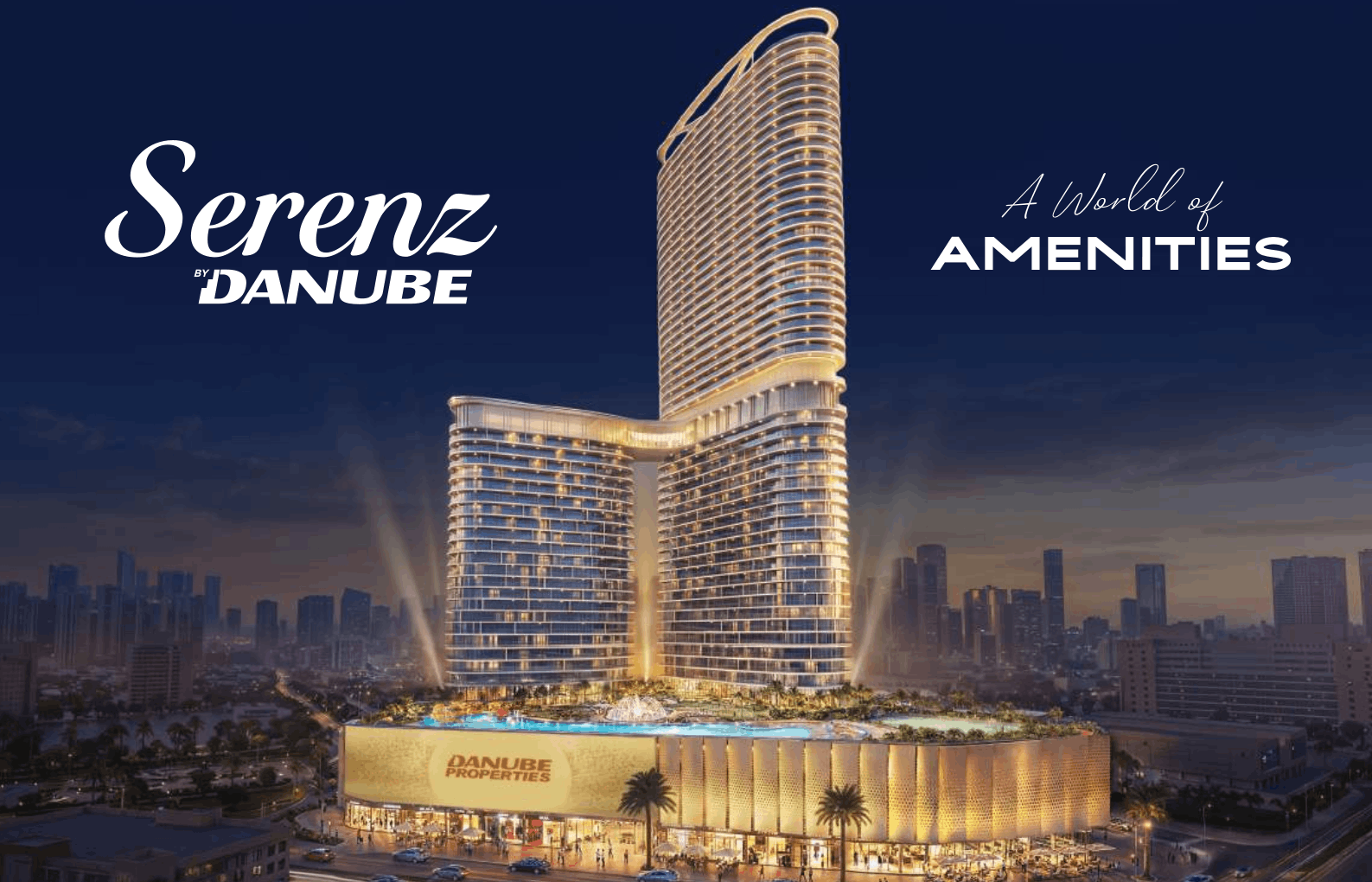
A great example of this trend is Serenz by Danube in JVC, offering modern lifestyle living in a high‑demand community.
4. Strong Rental Fundamentals Still in Play
Dubai continues to deliver competitive rental yields compared with many major global cities — another factor that supports investment appeal.

With sustained rental demand driven by population growth and expatriate inflows, many investors see Dubai as a reliable buy‑to‑let destination.
5. Strategic Government Policies & Residency Incentives
Several policy initiatives continue to attract global investors:
- The UAE Golden Visa encourages long‑term residency for property buyers, providing stability and confidence in holding property assets.
- Visa reforms and incentives for skilled professionals strengthen Dubai’s economic appeal, which in turn supports housing demand.
These policies build a bridge between real estate investment and residency benefits, a rare advantage in global property markets.
6. Infrastructure & Community Expansion
Dubai isn’t just growing — it’s evolving:
- New communities and infrastructure projects are being completed or launched, boosting demand in emerging sub‑markets.
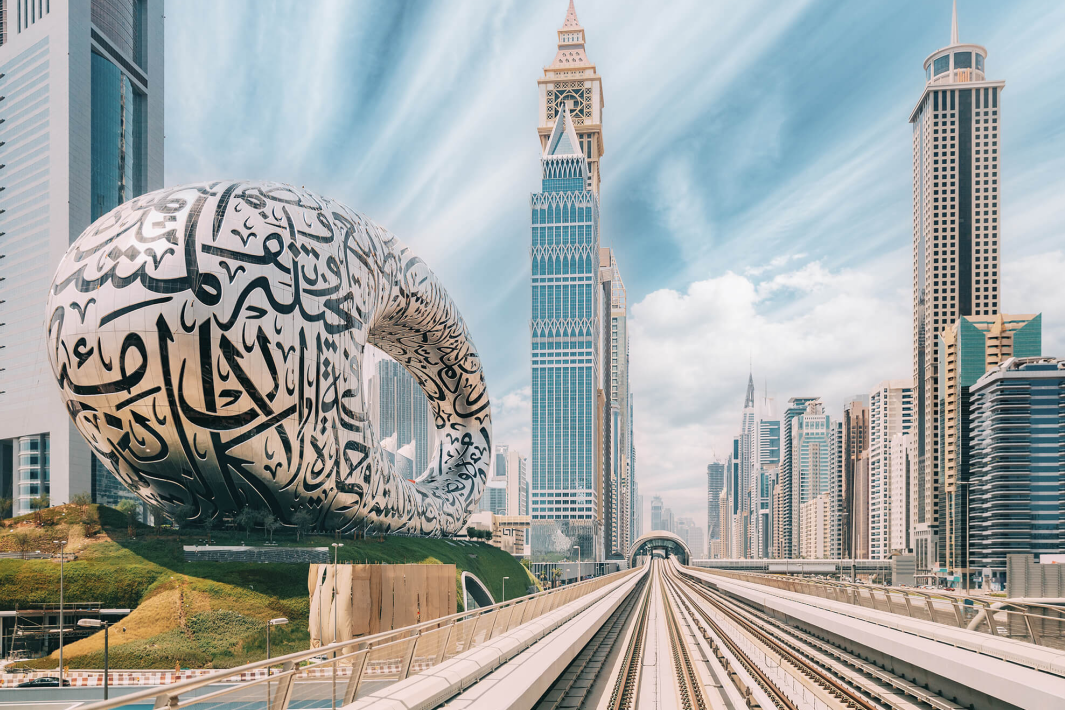
- Metro expansions, upgraded transport links, and lifestyle‑centric developments attract both investors and residents.
These developments enhance accessibility and quality of life — key drivers of property value.
Another exciting destination that exemplifies Dubai’s strong appeal with branded urban living is Mercedes‑Benz Places – Binghatti City — a luxury community merging iconic design and integrated lifestyle amenities.
📍 Where Growth Is Most Likely in 2026
While broad market trends support growth, some areas are expected to outperform due to strong fundamentals:
- Dubai Hills Estate – Highly sought after for family living.
- DIFC & Downtown Dubai – Prestige locations with sustained international interest.
- Palm Jumeirah & Waterfront Developments – Continued global demand for luxury living.

Expert Views: What Analysts Are Saying
Leading market observers agree that 2026 isn’t a year of volatility but strategic evolution:
“2026 presents a more balanced, buyer‑centric market — offering opportunity without urgency.” — Market analysts on Dubai’s property cycle.
Despite concerns about oversupply in certain segments, the overall demand foundation remains strong.
📌 Conclusion: Why 2026 Matters
In summary, 2026 could be a breakout year for Dubai real estate because:
✔ Buyer behaviour is shifting toward value and fundamentals.
✔ Population growth continues to fuel demand.
✔ Rental yields remain attractive.
✔ Government policies encourage long‑term investment.
✔ Infrastructure projects boost quality of life and investment appeal.
Whether you are an investor or a homebuyer, 2026 presents opportunities rooted in stability — not speculation.