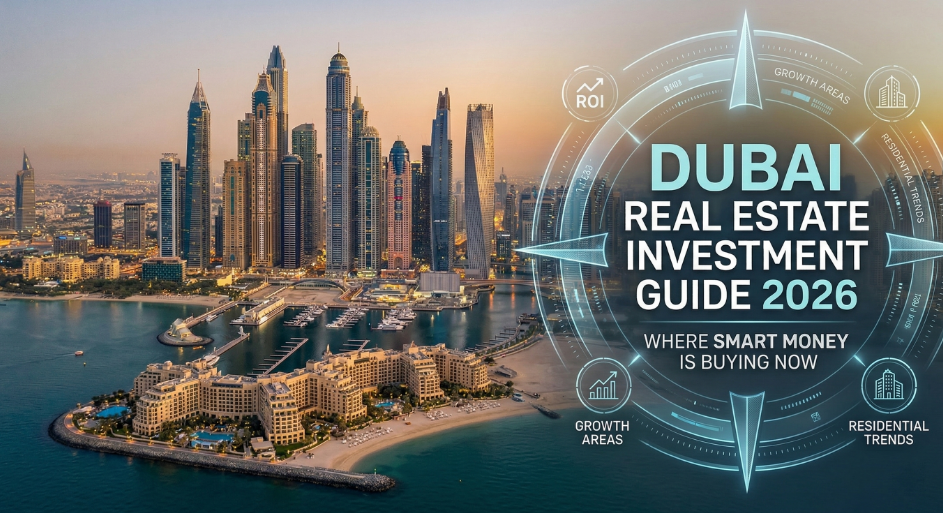
According to the latest data from the Dubai Land Department (DLD) in early 2026, Dubai has become one of the best places in the world to buy a home.
The city recorded one of its strongest years in 2025, with 202,349 residential transactions totaling AED 546.8 billion.
Fast economic growth—supported by a projected GDP growth of 5.6% for 2026 and a population target of 5.8 million by 2040—and high demand are bringing people from all over the world to this city.
The question is no longer if you should buy property, but where you can find the Best Areas In Dubai For Rent.
If you are asking How to Invest in Dubai Real Estate and how to be successful, this Property Investment Guide is here to help you step by step. In this guide, you will learn about the best areas in Dubai to buy property. We will also show you how to build your portfolio to get monthly rental income and grow your money.
In fact, after the recent regional tensions between Israel and Iran, many investors started looking for a safer place for their money. Dubai became that perfect choice, attracting thousands of new residents, families, and businesses.
Because of these changes, property prices in some areas are now more affordable, making it the best time to enter the market.
Dubai Investment Guide
Dubai’s property market has started 2026 with a big boom and great profits! In the first month of the year alone, billions of dollars entered this city.
Why? Because investors from all over the world see Dubai as the safest place for their money.
Long-term visas and easy government rules have brought more wealthy people here. So, if you are looking for a real Property Investment Guide, you should know that now is the best time to Invest in Dubai Real Estate.
There is also more good news for buyers: according to trusted reports, about 150,000 new homes will be built in Dubai by 2027.
This means you will have more choices, better prices, and good discounts. In fact, this is a golden Dubai Investment Guide for you to use this great opportunity.

How to Invest in Dubai Real Estate with Little Money
You might ask, How to Invest in Dubai Real Estate with Little Money? The answer is simple; you do not have to buy a whole house with cash.
First, you can use Real Estate Investment Trusts (REITs) to buy small shares of a property and get monthly profit. Second, you can buy "Off-plan" properties, homes that are still being built because they offer very easy, interest-free monthly payment plans. This means you can start with a small down payment.
If you want to know the best way to start, you can easily check Capital Western properties. They help beginners find the best cheap options and payment plans in the market.
Lowest Price Properties for Investment in Dubai
You do not need a huge budget to start. Below are some of the most affordable real estate investment options in Dubai, carefully selected for low budget and high returns:

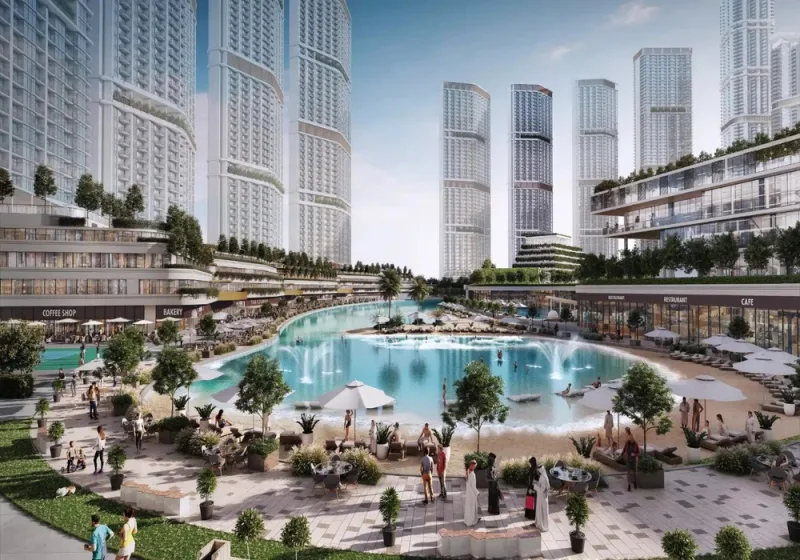

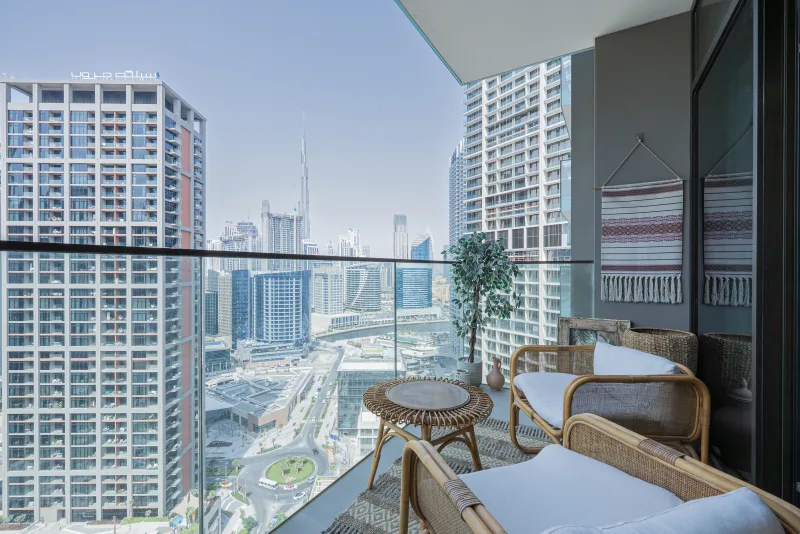
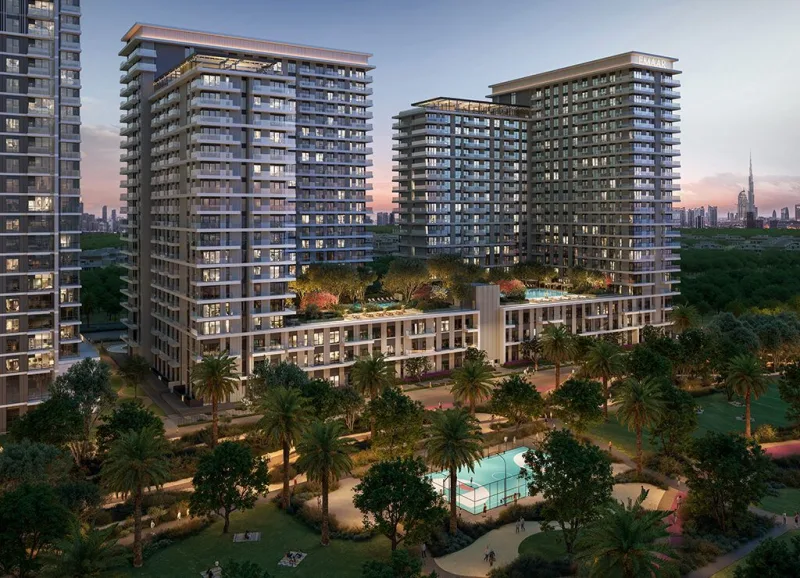
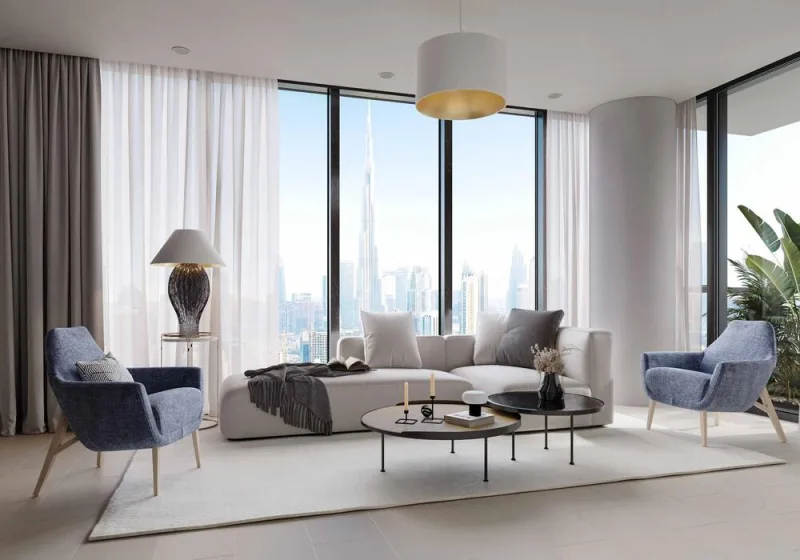

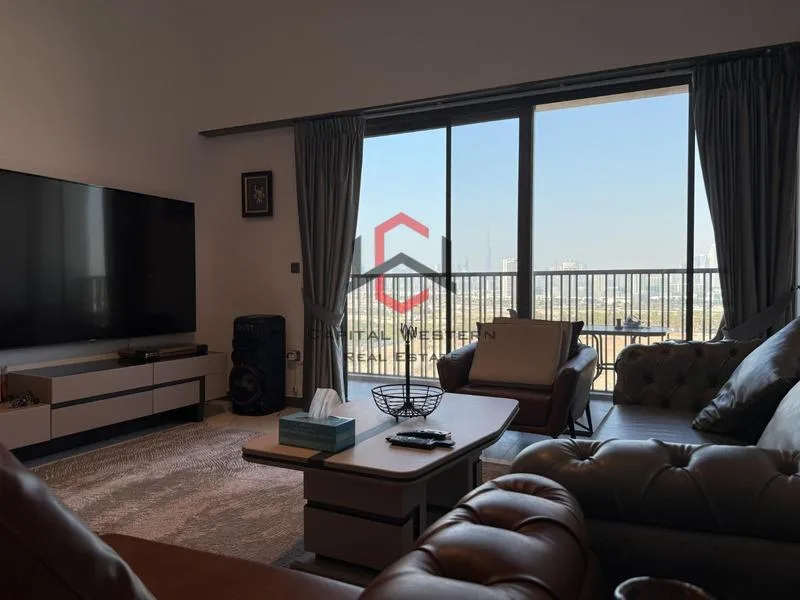
Invest in Dubai Real Estate: Property Investment
Invest in dubai real estate is a clear option for people looking to grow their savings or earn monthly rent.
The city has built a modern setup that attracts buyers from all over the world. But to know if it fits your plan, you need to look at how the local market actually works day to day before you invest in Dubai real estate.
While there are key 5 reasons to invest in real estate globally, understanding how the local Dubai market actually works day to day is essential before making your final move.
1. A Solid Economy Outside of Oil
Dubai used to rely mostly on oil revenue, but that has changed. Today, the city makes its money from logistics, tourism, finance, trade, and technology.
When an economy relies on many different businesses, property values stay more stable.
Global companies open offices here, which brings in workers who need places to live. This steady stream of new residents keeps the housing market active.
2. Earning Monthly Rent
Many people buy homes here to get continuous rental income. Dubai has a large population of expats and temporary workers who prefer renting over buying.
Neighborhoods with good access to roads and shops tend to fill up fast.
Landlords in well located areas usually find tenants quickly, which provides a steady cash flow alongside any future increase in property value.
3. Simple Living Features and Buildings
New housing projects focus on basic daily convenience. Builders now include smart system controls, energy-saving features, and functional shared spaces.
Having parks, gyms, and local stores inside a residential complex helps keep the property attractive to renters over time.
Buildings that are cheap to maintain and easy to live in hold their value better than basic structures.
4. No Personal Income or Property Taxes
One of the biggest reasons investors choose this market is the tax structure.
You do not pay annual property taxes on your home.
You do not pay capital gains tax when you sell.
You do not pay personal income tax on the rent you collect.
Without these extra costs, you keep a larger portion of the money your property generates each year.
5. Transport Links and Location
Getting around the city is straightforward. The government continues to spend money on roads, public transit, and metro lines.
The city sits between Europe, Asia, and Africa, making it a convenient base for frequent travelers.
Homes built near major roads or metro stations usually see higher demand. Tenants want short commute times, so location remains one of the main factors for rental success.
6. Clear Buyer Rules and Protections
The government sets strict rules to protect buyers and prevent fraud. Real estate laws require clear title deeds and fixed registration processes for every sale.
For unfinished or off-plan properties, developers must put buyer payments into secure escrow accounts.
The developer can only access those funds as construction reaches specific milestones.
This rule protects your money while the building is under construction.
7. Safety and Daily Life
Dubai consistently ranks high for personal safety and clean public spaces. The city offers international schools, medical centers, shopping areas, and parks.
These daily life factors directly affect the housing market.
Families and working professionals prefer staying in safe areas with reliable services, which creates long-term demand for quality apartments and houses.
8. Payment Options During Construction
Buying off-plan—meaning properties that are still being built—often comes with direct payment schedules from the developer.
Instead of paying the full price upfront or taking out a massive bank loan, you pay in smaller installments over the construction period.
Some developers even allow you to pay the remaining balance over several years after you receive the keys. This lowers the entry cost for new buyers.
Is Dubai Real Estate Right for You?
Whether this market fits your goals depends on what you want to achieve.
The combination of simple taxes, buyer protection laws, high rental demand, and long-term residency options makes buying property in the city a realistic choice for building passive income. Doing basic research on specific locations, developer track records, and extra fees helps you make a solid decision before spending your money.

Real Estate Investment in Dubai: High Returns and No Taxes
Investors choose to invest in Dubai real estate primarily for its tax-efficient structure and globally competitive returns.
- Tax Advantages:
Dubai does not impose annual property taxes, capital gains taxes, or taxes on residential rental income for individual owners.
- Strong Yields:
As of May 2026, the average rental yield in Dubai stands at 6.68%. Apartments lead the market with average yields of 7.15%, while villas and townhouses average 4.98%.
- Price Accessibility:
Despite its reputation for luxury, Dubai remains affordable compared to other global hubs. The average price per square foot is approximately $673, significantly lower than Hong Kong ($2,457), London ($1,775), or New York ($1,728).
How to Invest in Dubai Real Estate
A Step-by-Step Approach
Successful property investment for beginners requires a structured process to mitigate risk and maximize capital appreciation.
- 1 step. Define Your Objectives:
Decide if you are an owner-occupier focused on lifestyle, an owner-investor looking for asset progression, or a pure investor seeking maximum rental yields.
- 2. Conduct Due Diligence:
Research the developer's track record for quality and on-time delivery. Avoid rushing into deals based on sales pitches; verify title deeds, zoning laws, and service charges first.
- 3. Arrange Financing:
Expatriate buyers typically need a 20% down payment. All-in borrowing rates should ideally remain at least 200 basis points below your net yield to ensure the investment survives interest rate fluctuations.
Select the Right Property Type: Smart Solutions for Investors
- Off-plan: These units are often priced lower and come with flexible, interest-free payment plans. However, they carry risks of construction delays or quality issues.
- Ready properties: These provide immediate rental income and allow for physical inspection before purchase, though they require higher upfront costs.
-
Residential Apartments: The best choice for individual investors, offering high liquidity and strong average rental yields. Note that annual building service fees should be factored into your net ROI.
-
Luxury Villas & Townhouses: Preferred by high-net-worth families seeking space, privacy, and long-term capital appreciation. While initial investment costs are higher, tenant retention rates are exceptionally stable.
Top Investment Opportunities in Dubai
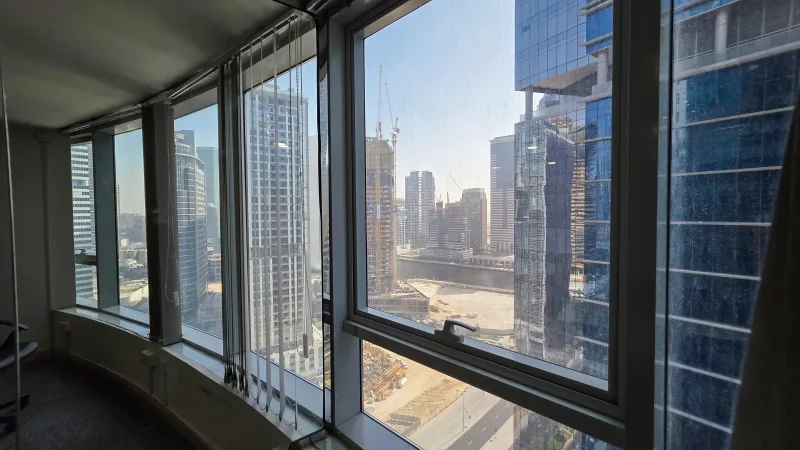
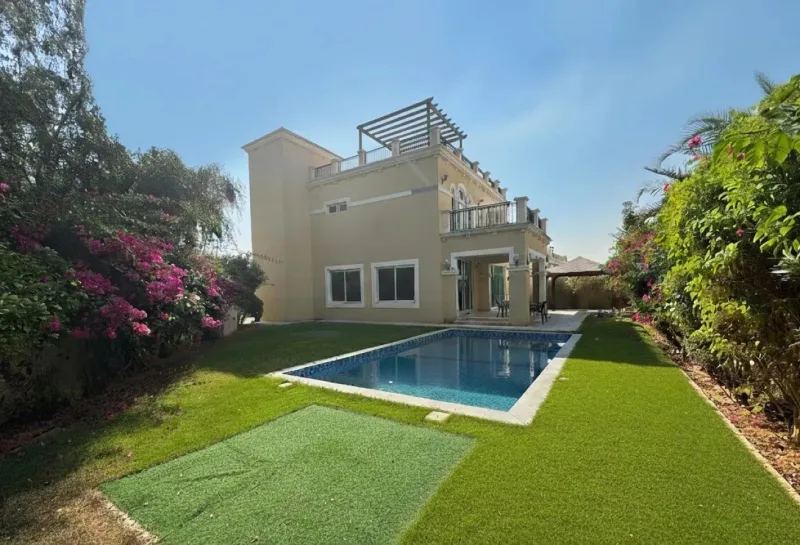
Here is a curated list of high-performing properties in Dubai's key locations. These projects are selected based on their strong rental potential, prime location, and long-term capital growth.
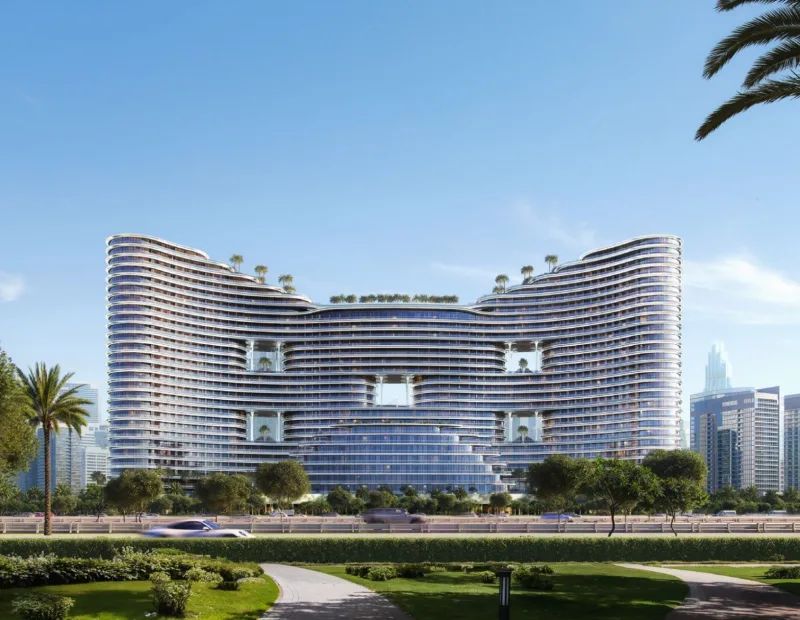
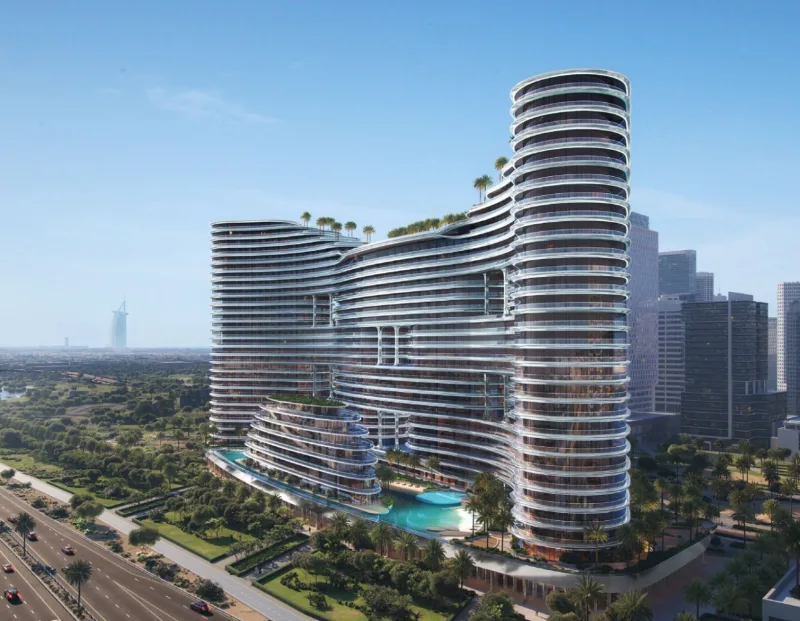
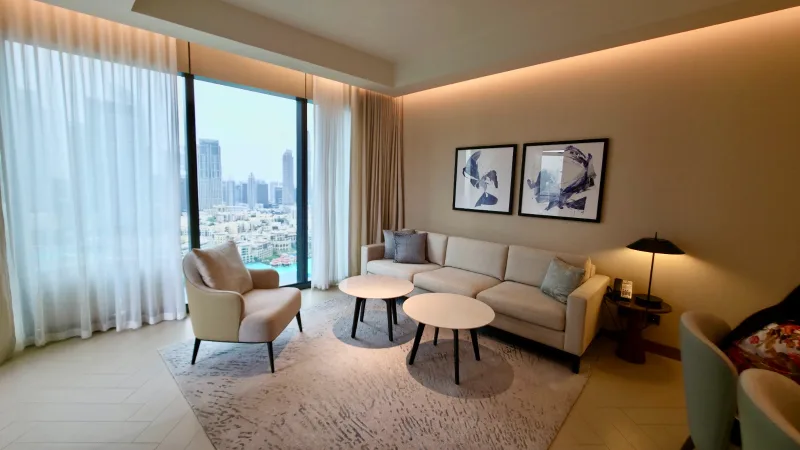
Why Invest in Dubai – Strategic Location & Growth Potential
Strategic Locations for 2026
Location directly impacts rental demand and property valuation
Several areas remain top choices for those looking to invest in Dubai real estate:
- Dubai Marina & JBR: High-demand waterfront communities popular with expats and tourists
- Downtown Dubai: The center of the city. Properties here hold their value very well because of famous places like the Burj Khalifa.
- Recognized by many investors as one of the best areas to invest in Dubai real estate, thanks to its central location, competitive property prices, strong rental demand, and long-term growth potential.
- Jumeirah Village Circle (JVC): Recognized by many investors as one of the best areas to invest in Dubai real estate, thanks to its central location, competitive property prices, strong rental demand, and long-term growth potential.
- Dubai Creek Harbour: An emerging sustainable mega-development with average rental yields of 6.3%
- Dubai Hills Estate: A premium family-oriented community centered around a championship golf course
best area for rent in dubai
How do rental yields compare between Dubai Marina and JVC?
while both areas offer competitive yields of around 8.4% to 8.5%, Dubai Marina is better suited for investors seeking a luxury waterfront asset with high expat demand, whereas JVC is ideal for those looking for affordable entry prices and a broader variety of property types.
What are the common risks of property investment in Dubai?
Investing in Dubai real estate involves several common risks ranging from market volatility to project-specific issues. While the market offers high returns, it is not safe as houses in a literal sense and is subject to various fluctuations.
Oversupply: There is a significant pipeline of upcoming projects, with research tracking approximately 300,000 homes due for delivery by 2029. If population growth does not match this supply, it could lead to high vacancy rates already reported at 20% in some buildings and put downward pressure on rental yields and resale values.
Market Fluctuations: Property values can decline during economic slowdowns, often influenced by global economic shifts or changes in oil prices.
Holding Power and Liquidity: Real estate is relatively illiquid. Investors lacking holding power the ability to withstand a downturn or period of vacancy may be forced into fire sales, where properties are sold at a steep discount to complete a transaction quickly.
Dubai Real Estate Investment Opportunities and Markets
| Opportunity Type | Company / Platform | Min. Investment | Target Areas | Yield (ROI) | Duration | Regulator | Key Benefits |
|---|---|---|---|---|---|---|---|
| Fractional Ownership | Stake | USD 150 (~AED 500) | Downtown, Marina | 6.7% - 10.4% | 2-5 yrs | DFSA, DLD | Passive income, Golden Visa |
| Off-Plan Purchase | Emaar, Sobha, Danube | AED 399k - 930k | JVC, Dubai Hills | Capital Growth | Under Construction | DLD, RERA | 1% monthly payment options |
| Residential Apartments | Capital Western / Top Brokers | AED 415.5k - 1.4M | Downtown, Business Bay | 6.3% - 10% | Long-term | DLD, RERA | Tax-free rental income, Residency |
| Luxury Villas & Townhouses | Capital Western / Emaar | AED 3,185,000 | Palm Jumeirah, Dubai Hills | 4.98% - 10% | Long-term | DLD, RERA | High family demand, Golden Visa |
| Short-Term Rentals (Holiday) | Capital Western / Agencies | AED 2.2 Million | Dubai Marina, Downtown | ~8% Gross | Seasonal | DLD, RERA | High cash flow in tourism season |
What are the requirements for securing a ten year Golden Visa through real estate investment ?
Golden Visa Requirements: To qualify for the ten-year Golden Visa residency, an applicant generally must invest in a property worth at least AED 2 million. While mortgaged properties are eligible, the investor must typically provide proof of equity or payments made to meet the specific value threshold.
What are the specific upfront costs an expatriate buyer should expect when purchasing a property valued at AED 1 million?
Upfront Costs for AED 1M Property: An expatriate buyer would need a minimum 20% down payment (AED 200,000) plus a 4% DLD registration fee (AED 40,000). Additional costs include a standard 2% real estate agent commission and administrative or legal fees ranging from AED 5,000 to AED 10,000.
Why might an investor choose a Real Estate Investment Trust (REIT) over purchasing physical property?
REITs allow investors to gain exposure to real estate with lower capital requirements and higher liquidity, as shares can be traded on stock exchanges.
They eliminate the complexities of direct property management while offering high dividend yields from a diversified portfolio of commercial or residential assets.
What are the risks associated with investing in off-plan properties according to investor experiences ?
Investors face potential market fluctuations that could lower the property’s value by the time it is finished, as well as risks of project delays or cancellations. Some historical cases have noted construction delays of several years and discrepancies between the contracted plans and the final delivered quality.
Golden Visa Requirements: To qualify for the ten-year Golden Visa residency, an applicant generally must invest in a property worth at least AED 2 million. While mortgaged properties are eligible, the investor must typically provide proof of equity or payments made to meet the specific value threshold.
Upfront Costs for AED 1M Property: An expatriate buyer would need a minimum 20% down payment (AED 200,000) plus a 4% DLD registration fee (AED 40,000). Additional costs include a standard 2% real estate agent commission and administrative or legal fees ranging from AED 5,000 to AED 10,000.
REITs allow investors to gain exposure to real estate with lower capital requirements and higher liquidity, as shares can be traded on stock exchanges.
They eliminate the complexities of direct property management while offering high dividend yields from a diversified portfolio of commercial or residential assets.
Investors face potential market fluctuations that could lower the property's value by the time it is finished, as well as risks of project delays or cancellations. Some historical cases have noted construction delays of several years and discrepancies between the contracted plans and the final delivered quality.